Efficient Farm Management Techniques
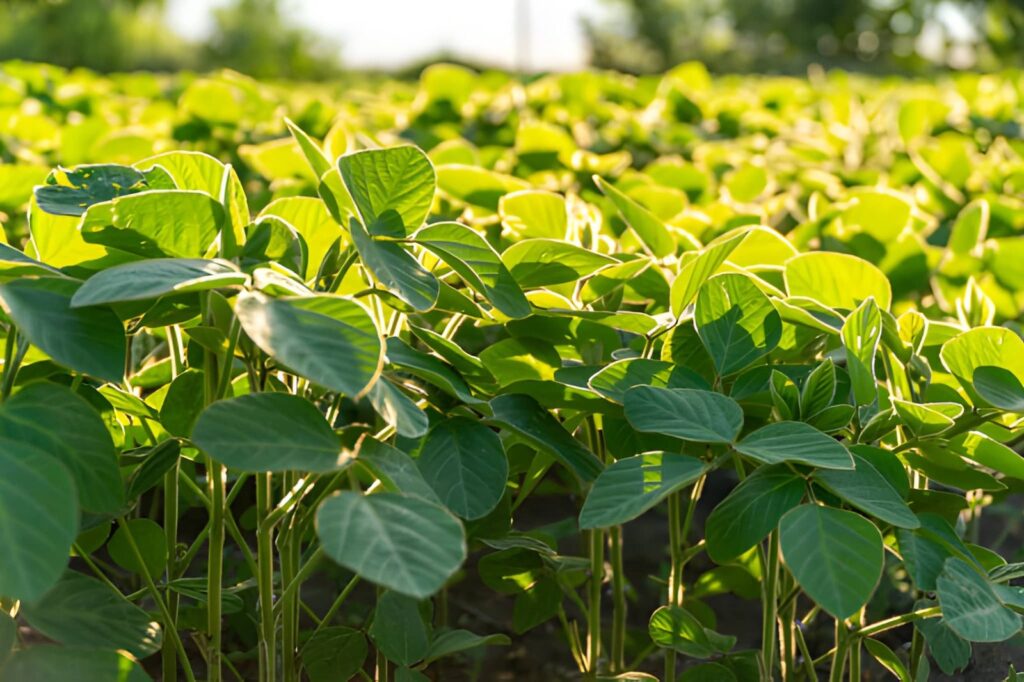
Efficient farm management techniques are essential for modern agriculture. Whether you operate a small family farm or manage a large commercial operation, improving productivity, reducing waste, and making informed decisions can increase profitability and sustainability. Today’s farmers face rising input costs, Hubet changing weather patterns, labor shortages, and increasing demand for high-quality food. By applying smart planning, technology, and sustainable practices, farm owners can build stronger, more resilient businesses.
Understanding Farm Management
Farm management involves planning, organizing, monitoring, and controlling all farm activities. This includes crop production, livestock care, equipment use, labor management, financial planning, and marketing. Efficient farm management focuses on using available resources—land, water, labor, machinery, and capital—in the most productive way.
A well-managed farm does not rely on guesswork. Instead, it uses data, experience, and clear goals to guide daily and long-term decisions. From selecting the right crops to maintaining soil health, every choice affects the overall success of the farm.
Create a Clear Farm Business Plan
One of the most important farm management techniques is developing a detailed business plan. A farm business plan helps define goals, estimate costs, project income, and identify potential risks. It should include information about farm size, crop or livestock choices, market opportunities, equipment needs, and labor requirements.
A strong plan also helps farmers make better financial decisions. For example, before buying new machinery or expanding production, a farmer can compare expected returns with investment costs. This reduces the risk of unnecessary spending and improves long-term profitability.
Use Precision Agriculture Technology
Precision agriculture is one of the most effective ways to improve farm efficiency. This approach uses modern tools such as GPS, drones, sensors, satellite imagery, and farm management software to monitor field conditions and guide decision-making.
With precision farming, farmers can apply water, fertilizer, pesticides, and seeds exactly where they are needed. This reduces waste, lowers costs, and improves crop yields. For example, soil sensors can measure moisture levels and help determine when irrigation is necessary. Drones can detect pest problems or crop stress before they spread across an entire field.
By using technology, farmers gain real-time information that supports faster and more accurate decisions.
Improve Soil Health
Healthy soil is the foundation of efficient farm management. Poor soil quality can reduce yields, increase input costs, and make crops more vulnerable to disease and drought. Farmers should regularly test soil to measure nutrient levels, pH, and organic matter.
Effective soil management techniques include crop rotation, cover cropping, compost application, reduced tillage, and proper fertilization. Crop rotation helps prevent nutrient depletion and reduces pest and disease pressure. Cover crops protect soil from erosion, improve organic matter, and support beneficial microorganisms.
Maintaining healthy soil not only improves crop performance but also supports long-term farm sustainability.
Practice Smart Water Management
Water is one of the most valuable resources on any farm. Efficient water management reduces costs, protects crops, and conserves natural resources. Farmers should choose irrigation systems that match their soil type, crop needs, and climate conditions.
Drip irrigation and sprinkler systems can reduce water waste compared to traditional flood irrigation. Scheduling irrigation based on weather forecasts, soil moisture readings, and crop growth stages can further improve efficiency.
Rainwater harvesting, water storage ponds, and drainage management are also useful techniques. In areas affected by drought, smart water use can make the difference between crop success and failure.
Manage Labor Effectively
Labor is a major part of farm operations, especially during planting, harvesting, and livestock care. Efficient labor management involves assigning tasks clearly, training workers properly, and using time-saving systems.
Farm managers should create work schedules, track employee performance, and ensure that workers understand safety procedures. Investing in training can improve productivity and reduce costly mistakes. When possible, mechanization and automation can help reduce labor pressure.
Good communication is also essential. Workers who understand farm goals and procedures are more likely to complete tasks accurately and efficiently.
Maintain Farm Equipment
Farm machinery represents a significant investment, so proper equipment maintenance is a key farm management technique. Regular maintenance helps prevent breakdowns, extends equipment life, and reduces repair costs.
Farmers should keep maintenance records for tractors, harvesters, irrigation systems, and other machinery. Routine checks should include oil levels, tire pressure, filters, belts, batteries, and hydraulic systems. Servicing equipment before peak seasons can prevent delays during critical periods like planting and harvesting.
Efficient equipment management ensures that farm operations run smoothly and on schedule.
Monitor Farm Finances
Financial management is essential for profitable farming. Farmers should track all income and expenses, including seed, fertilizer, fuel, labor, equipment repairs, feed, veterinary care, and marketing costs. Accurate financial records help identify which activities are profitable and which need improvement.
Budgeting is another important tool. A farm budget helps estimate seasonal costs and expected returns. It also helps farmers prepare for unexpected expenses, such as crop failure, disease outbreaks, or equipment repairs.
Using accounting software or farm management apps can simplify recordkeeping and improve financial decision-making.
Apply Integrated Pest Management
Integrated Pest Management, or IPM, is a sustainable approach to controlling pests, weeds, and diseases. Instead of relying only on chemical pesticides, IPM combines monitoring, prevention, biological control, and targeted treatments.
Farmers should inspect fields regularly to detect pest problems early. Beneficial insects, resistant crop varieties, crop rotation, and proper sanitation can reduce pest pressure naturally. When pesticides are necessary, they should be applied carefully and only at recommended levels.
IPM reduces chemical costs, protects beneficial organisms, and supports healthier crops.
Diversify Farm Production
Diversification can improve farm stability and reduce financial risk. Instead of relying on one crop or product, farmers can grow multiple crops, raise livestock, offer agritourism, or sell value-added products such as jams, cheese, flour, or organic produce.
Diversification helps protect income when market prices fall or weather damages a specific crop. It can also open new marketing opportunities and attract different customer groups.
However, diversification should be planned carefully. Farmers must consider labor, equipment, market demand, and production knowledge before expanding into new areas.
Use Data for Better Decision-Making
Modern farm management depends on accurate data. Keeping records of yields, weather, soil tests, input use, livestock performance, and sales helps farmers recognize trends and improve future planning.
For example, yield maps can show which parts of a field perform best and which areas need attention. Livestock records can identify the most productive animals. Sales data can reveal the most profitable markets.
Data-driven farming allows managers to make decisions based on facts rather than assumptions.
Focus on Sustainable Farming Practices
Sustainability is becoming increasingly important in agriculture. Efficient farm management should protect natural resources while maintaining profitability. Sustainable farming practices include reducing chemical use, conserving water, improving biodiversity, using renewable energy, and protecting wildlife habitats.
Consumers are also more interested in environmentally responsible food production. Farms that adopt sustainable practices may gain access to premium markets and build stronger customer trust.
Conclusion
Efficient farm management techniques help farmers improve productivity, reduce costs, and protect valuable resources. By using business planning, Nạp tiền Hubet precision agriculture, soil improvement, smart water management, labor organization, equipment maintenance, financial tracking, and sustainable practices, farms can become more profitable and resilient.
Successful farm management requires continuous learning and adaptation. As agriculture continues to change, farmers who embrace innovation and make informed decisions will be better prepared for future challenges and opportunities.